What Happens If Your Fagradalsfjall Volcano Tour Is Cancelled for Weather?
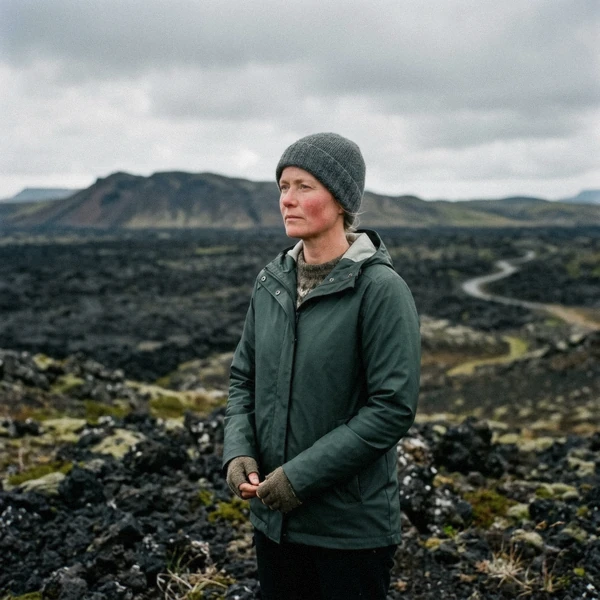
If weather cancels your Fagradalsfjall volcano tour, you get a free rebooking or a full refund, not a loss. I checked every operator's cancellation wording on this peninsula while writing this, and the phrasing differs but the outcome doesn't. What actually surprises people is the mechanics around that refund: who makes the call, when you find out, why a competitor's van might still be running while yours isn't, and the trap clauses that catch travellers who assumed the wrong thing. None of this touches the physical hazard itself, that's answered separately on is Fagradalsfjall safe; this page is only about your booking and your money.
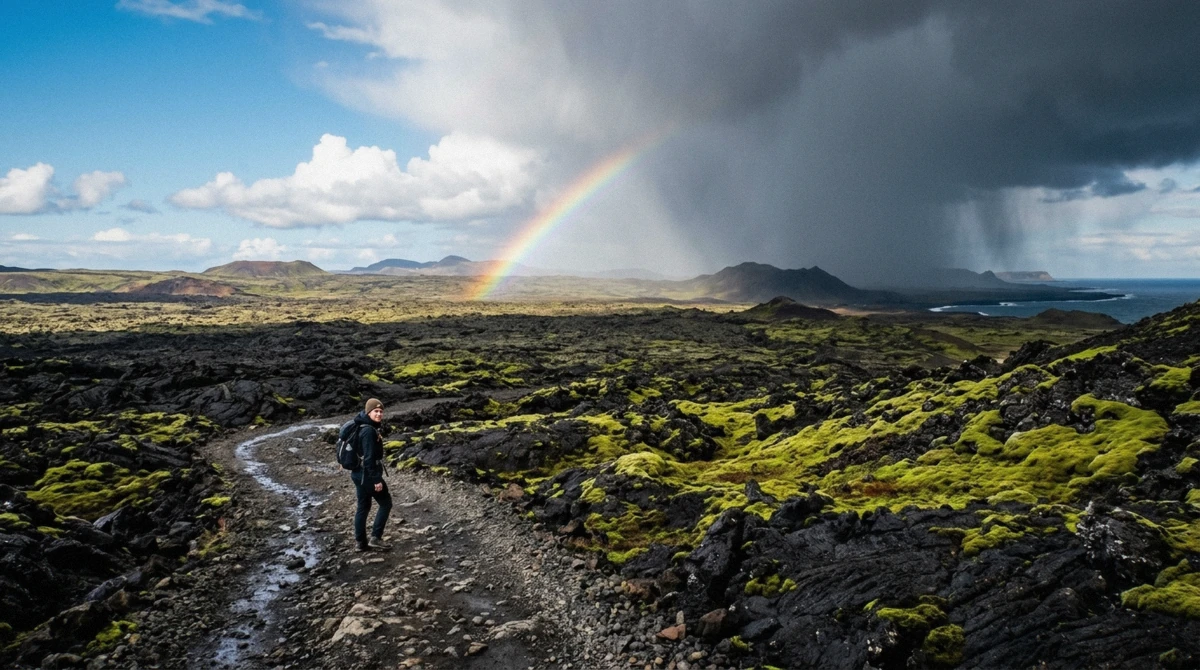
Quick answer
If weather cancels your Fagradalsfjall tour, you get a free rebooking or a full refund, not a loss. Wind, gas readings and road closures are what actually stop a tour here, not rain, and it happens more often in winter than in summer.
Key takeaways
- Universal norm: free rebook or full refund, your choice, whenever the operator cancels
- Who decides: the guide or pilot's own judgment against the morning forecast, which is why one van can run while another doesn't
- When you'll know: usually the evening before, or by early morning on the day
- The trap clause: light rain rarely triggers a refund, since most tours run through it anyway
- How often: rare in summer, more common November through March
- The one move that costs you nothing: book your slot early in the trip, never the last full day
What Happens in Each Scenario
A quick scan for whichever situation you're actually worried about.
Every real cancellation on this peninsula falls into one of these.
| Scenario | Who Cancels | What You Get Back | Your Move |
|---|---|---|---|
| Cancelled the evening before (wind, gas reading, or renewed volcanic activity) | Operator | Full refund or free rebook, your choice | Rebook the first available slot if days remain |
| Cancelled early morning, before pickup | Operator | Full refund or free rebook | Wait for confirmation before heading to the meeting point |
| Cancelled at the meeting point or airfield itself | Operator | Full refund or free rebook | Ask for the choice explicitly, don't assume it |
| Conditions turn after the group has already set out | Operator | Partial refund per policy, not full | Confirm the partial-refund terms before booking if it matters to you |
| Road to Grindavík closes for snow or ice | Operator | Full refund or free rebook | Check the best time to visit before booking a winter date |
| Light rain, but the tour runs as scheduled | Nobody, the tour operated | No refund; you got the trip you paid for | Decide before booking whether ordinary Icelandic rain is acceptable to you |
| You cancel less than 24 hours out, or don't show | You | No refund, no rebook | Cancel earlier if plans are uncertain, or confirm pickup time the night before |
Read the middle column first. Almost every scenario that isn't your own late cancellation or a no-show ends the same way: a full refund or a free rebook, your choice.
Every one of the volcano tours that refund in full if the day is called off on this site refunds in full when the operator makes that call.
Why Tours Here Actually Get Cancelled
Rain rarely stops anything on this peninsula. Walkers routinely go out in weather that would cancel the day elsewhere, and the minibus tours run through the same conditions. What actually grounds a tour is one of two things: a sulphur dioxide reading high enough to close a trail section, or genuinely severe wind and cloud that makes the route unsafe or, on the helicopter, the flight pointless. I don't have a published wind-speed threshold from the hiking operators here, so I won't invent one; what they'll tell you consistently is that they operate to conditions rather than a fixed number on a chart.
The helicopter is the clearest case of the two triggers: it flies to a weather window rather than a timetable, and a flight that would only show you cloud gets cancelled rather than flown, since there's nothing to see through it. On the ground, a closed trail section from a gas reading is a harder stop than weather ever is, enforced with no exceptions, and the reasoning sits in what actually makes the ground hazardous here rather than repeated on this page.
Season matters more than any single day's forecast. Route 42 and 427 both cross exposed, low terrain with little to break the wind, and weather on this peninsula can flip within a single morning, which is part of why the same week can have a hike running through drizzle while a helicopter sits grounded for cloud a few kilometres away.
Who Makes the Call, and When You'll Find Out
There's no single aviation-style authority grounding every ground-tour operator here at once; it's closer to each guide's own call, reading the same public forecast and deciding for their own group. That's exactly why one company's van can be running while another's isn't: a different route, a different risk tolerance, or simply a guide who made the call an hour earlier than a competitor did.
Decisions land at one of three points. Evening-before cancellations happen when the forecast is already unambiguous, and you'll get a call or message before you've gone to bed. Early-morning cancellations, the more common case, land by the time you'd otherwise be getting ready, generally hours before the pickup window. Occasionally the call happens at the meeting point itself, when conditions on the ground don't quite match what the forecast suggested at six in the morning.
If you haven't heard anything and your pickup time is approaching, proceed to the meeting point as planned unless you've been told otherwise; silence usually means the tour is running. Call the number on your booking confirmation if departure is close and you're genuinely unsure rather than guessing either way.
This page can't show you today's live status, since that depends on the actual morning of your trip. What it can tell you is where to look: the confirmation email or text tied to your specific booking, or a direct call to the operator if departure is close and you've heard nothing.
Refunds and Rebooking: What the Standard Is
The standard across every tour on this site is the same: a weather cancellation from the operator's side gets you a full refund or a free rebooking, your choice. The small-group hike and the geologist-led hike both work this way, and so does the helicopter flight and the minibus loops.
Refunds typically post within 24 to 48 hours of the operator processing them, though the charge may take a further billing cycle to actually appear on your card statement, a gap that catches out more travellers than the refund policy itself does. If you booked through a reseller rather than paying the operator directly, expect the slower end of that window, since the reseller processes the refund rather than the guide you were meant to meet.
Three trap clauses catch people who assumed the wrong thing. Light rain that doesn't trigger an actual cancellation is not refund-eligible, since the tour ran; reviewers hiking in constant July drizzle got the trip they paid for, not a refund. A mid-hike turnback, rare but real if conditions change after you've set out, earns a partial refund under most policies rather than a full one. And a no-show, simply not turning up, earns nothing; that's a traveller-side no-show, not a weather cancellation, and operators treat the two very differently.
Same-day rebooking onto a later slot is honestly limited here. The minibus tours run one daily departure each, so a cancelled morning doesn't have an afternoon alternative to shift into on the same day. The helicopter is the closest thing to an exception, since a cloud bank that grounds a morning flight can clear by afternoon, but it depends entirely on the day; don't count on it when you plan a tight schedule.
A rough-water or bumpy-ride complaint is a different question entirely from a cancellation. A tour running in conditions that are merely uncomfortable is not the same as one the operator has stood down, and discomfort alone doesn't trigger a refund; that's a call worth making for yourself before you book if motion or cold bothers you.
How Often Does It Actually Happen Here?
Weather cancellations track the same seasons laid out in the months least likely to be called off, so the risk pattern below uses the same four bands rather than a different split.
| Season | Cancellation Risk | Why |
|---|---|---|
| Late spring (April to May) | Moderate | Lingering snow and ice on higher ground, and wind that swings more than it does in summer |
| Summer (June to August) | Low | Snow-free trails and the calmest winds of the year, though rain is common and rarely cancels anything |
| Autumn (September to October) | Moderate | Daylight and temperatures falling fast, with the first snow sometimes arriving by late October |
| Winter (November to March) | High | Shortest daylight, ice on the descent, and the most frequent gas-related and road closures of the year |
One more honest note: a normal seasonal cancellation is not the same thing as a red flag. If a specific operator seems to cancel far more than the pattern above suggests, that's worth noticing as a quality signal, not just weather.
How to Plan So a Cancellation Costs You Nothing
A handful of habits that actually change the outcome, not just restate the refund policy.
- Book the first available morning of your trip, never the last full day, so a cancellation still leaves you room to rebook
- Keep two or three possible reschedule slots open across your stay rather than one fixed day
- Understand the logic: a first-day booking has runway behind it, a last-day booking has none
- Prefer tours that advertise free cancellation, which on this peninsula is effectively every operator listed here
- If a hike and a helicopter flight both interest you, hold them on different days rather than back to back, since they get cancelled by different triggers
What to Do Instead If Today Is a Wash
Real, specific alternatives, not a generic "explore the city" line.
- Blue Lagoon, about 15 minutes from the car parks, geothermal bathing that doesn't care what the wind is doing
- Seltún geothermal area at Krýsuvík, boardwalks over mud pools and fumaroles, a short stop rather than a hike, though check road conditions first in winter
- Grindavík and the earth barriers, a slow drive-through rather than a climb, covered on the self-drive guide if you want to see it without a tour
- The the Reykjanes van loop, which sometimes still runs its short stops on a day a full guided hike is grounded; worth a call, not a guarantee
- The helicopter flight, a different weather trigger than a ground hike; a day that closes trails for gas doesn't necessarily ground a flight, so it's worth checking rather than assuming both are off
- Reykjavík itself, museums, food halls and the harbour, none of which care what the wind is doing an hour south
Does Travel Insurance Cover This?
Usually not relevant to the tour cost itself, since the operator already refunds you in full when it cancels for weather. Where insurance actually matters is consequential costs a refund doesn't touch: a missed connecting activity booked for the same afternoon, non-refundable transport, or a hotel night you can't recover. It also matters if you cancel yourself rather than the operator cancelling, since a traveller-side cancellation under 24 hours gets you nothing back from the tour operator directly. Credit-card travel protection generally covers more of this than basic debit coverage does, worth checking before you rely on either.
That's separate from what your policy should cover for the activity itself, injury or medical evacuation, answered on is Fagradalsfjall safe rather than here.
The short version: a cancelled morning here isn't a lost day, it's a rebooked one, and the peninsula gives you enough flexibility that a single bad forecast rarely costs more than a little replanning. Book early in your trip rather than late, then browse volcano tours that refund in full if the day is called off and pick a date.
Weather and Cancellation Questions
Will my Fagradalsfjall tour run in light rain?
Almost always, yes. Rain is not the trigger here; sulphur dioxide readings and genuinely severe wind or cloud are. Reviewers who hiked in constant July rain still did the full route.
How will I know if my tour is cancelled?
By call or message, usually the evening before or early on the morning of your trip. If you haven't heard anything as your pickup time approaches, head to the meeting point as planned unless told otherwise.
Do I get a full refund if the tour is cancelled for weather?
Yes, or a free rebooking, your choice, whenever the operator makes the call. The exceptions are a mid-tour turnback, which gets a partial refund, and a no-show or late cancellation on your side, which gets nothing.
Can I rebook for a different day on the same trip?
Yes, and it's the standard offer alongside a refund. Same-day rebooking onto a later slot is more limited, since most tours here run once a day, so plan reschedule days into your itinerary rather than counting on an afternoon slot.
Why is another company's tour still running when mine got cancelled?
Because there's no single authority grounding every operator at once here, the way there is for commercial aviation. Each guide reads the same forecast and makes their own call, so a different route, a different risk tolerance, or simply an earlier decision can leave one van running while another stands down.
How often are Fagradalsfjall tours cancelled in winter?
More often than in summer, though still not routinely. Ice on the descent and more frequent road and gas-related closures push winter into the higher-risk band on the seasonal table above; summer sits at the low end.
Does travel insurance cover a weather cancellation?
Rarely matters for the tour cost itself, since the operator refunds that directly. It matters more for consequential costs, a missed connection or a non-refundable hotel night, that a tour refund doesn't touch.